Evening with the Czech State Testing Authority
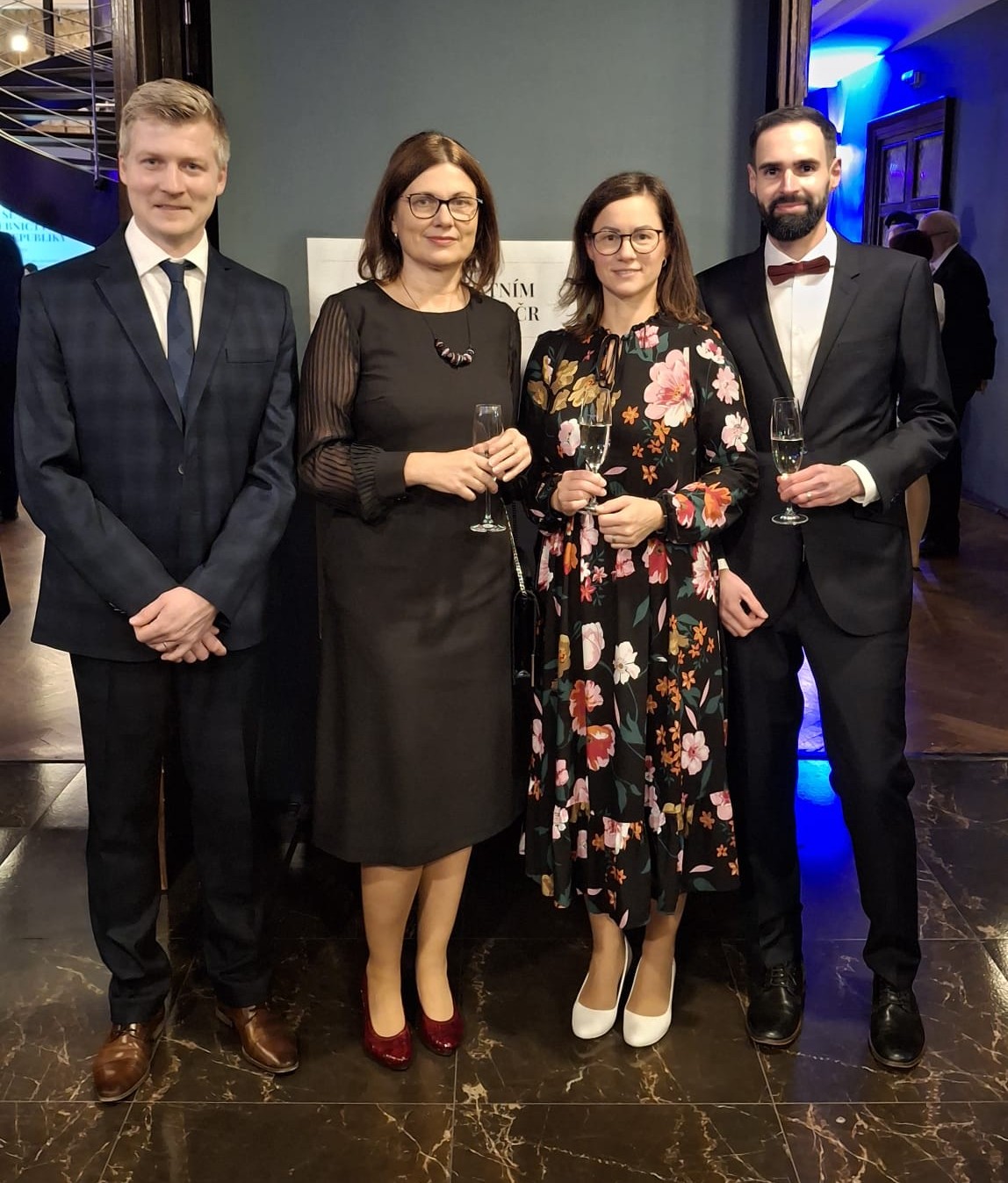
Jitka Beránková, Director of the Timber Research Institute, and her deputy Tomáš Pomykal were invited to an Evening with the State Testing Authority, which presented the importance of state testing and its role in the European system of product safety and quality assurance and consumer protection.
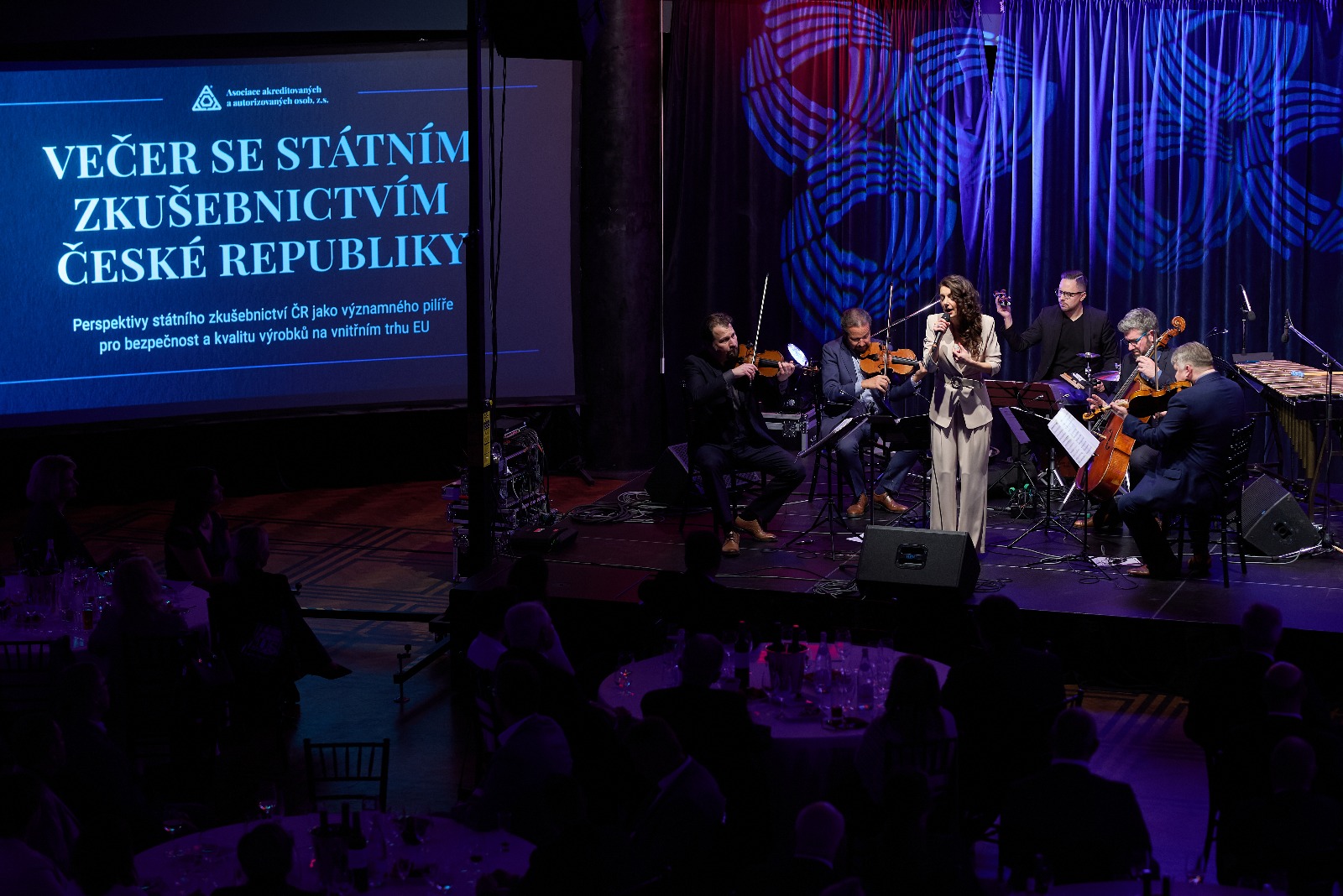
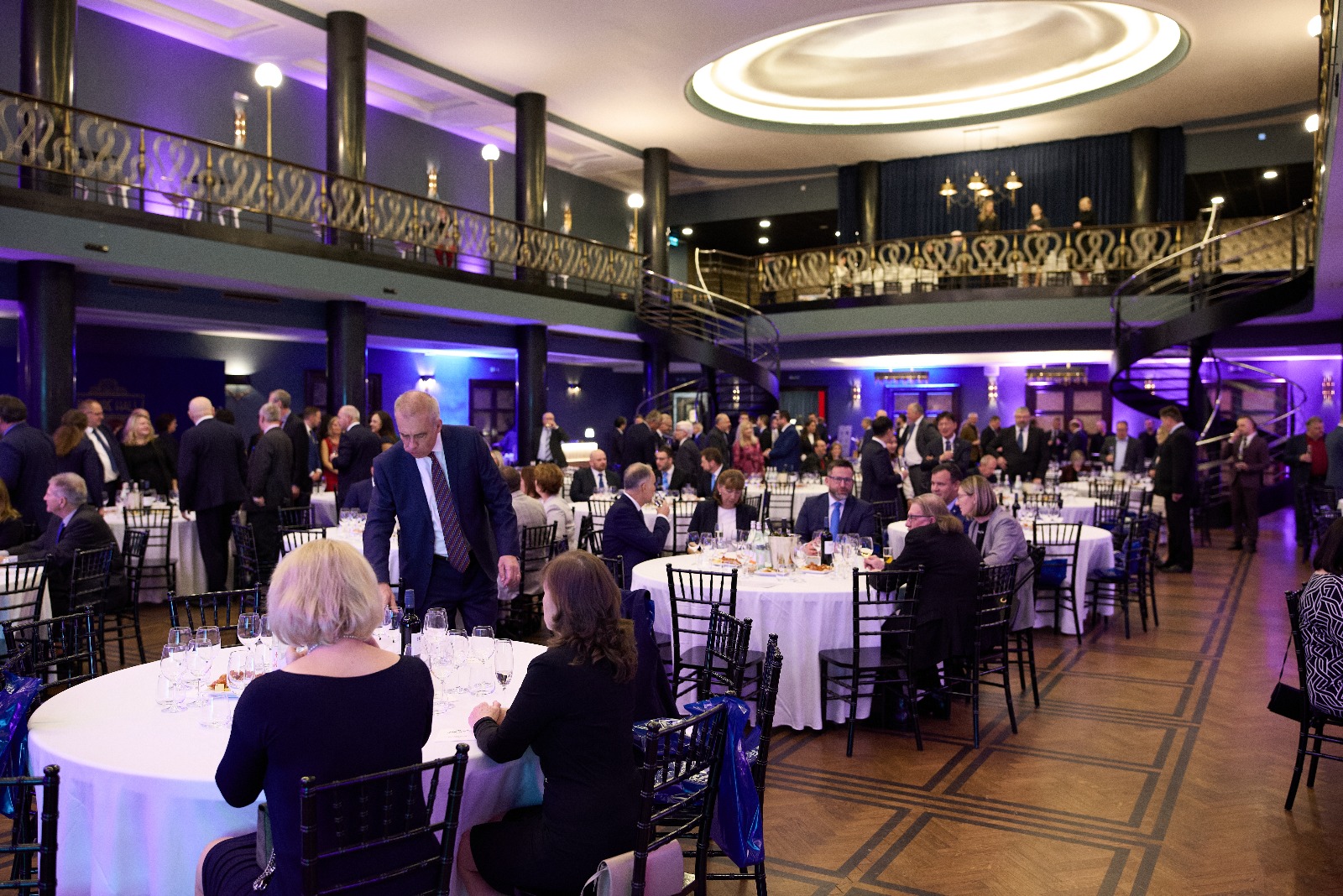
The first annual Evening with State Testing took place on November 27 at Slovanský dům in Prague, presenting in a very pleasant atmosphere the importance of state testing as a key pillar in the European system of product safety and quality assurance and consumer protection.
The event brought together representatives of state administration, professional institutions, and industrial partners and showed that even such important and technical topics can be presented in a modern, attractive, and understandable way. The evening was elegantly and expertly hosted by Daniela Brzobohatá.
The opening ceremony was enriched by greetings from prominent figures — Vladimír Mana, State Secretary of the Ministry of Industry of the Czech Republic, Jana Wiesner, Honorary President of the Confederation of Employers and Entrepreneurs Associations of the Czech Republic, and Jiří Kratochvíl, Chairman of the Office for Technical Standardization, Metrology and State Testing a> Jiří Kratochvíl, who also greeted those present on behalf of the Director General of the Czech Standardization Agency Zdeněk Veselý, Director of the Czech Accreditation Institute Jiří Růžička, and the President of the Association of Accredited and Authorized Organizations Pavel Malčík.
Their speeches clearly demonstrated their shared desire and commitment to continue strengthening and supporting a system that ensures that only safe, high-quality, and reliable products that meet legal and technical requirements enter the European Union’s internal market.
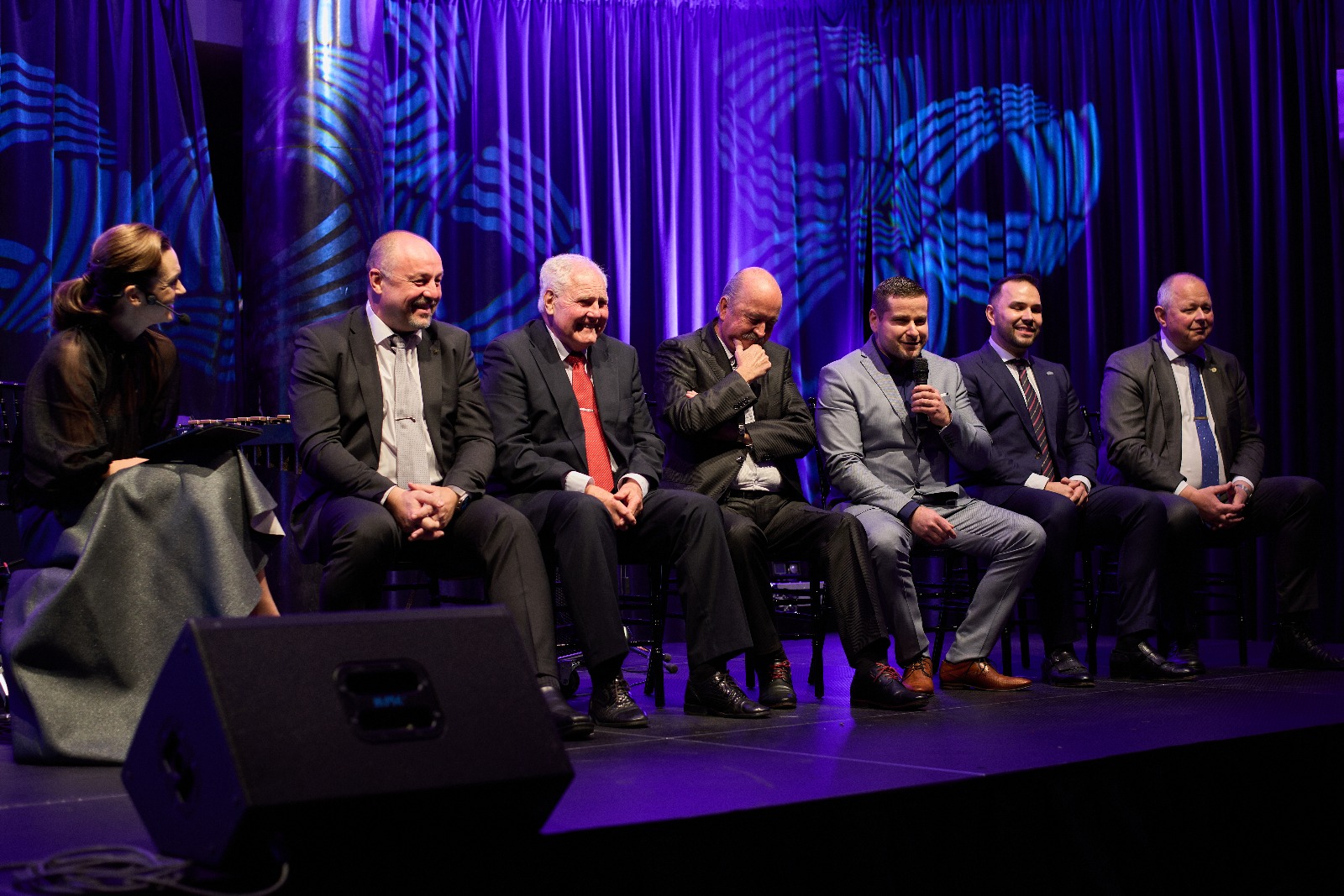
The opening ceremony was followed by a musical performance by Ellaboration – Dasha & Epoque Quartet, which created an exclusive atmosphere for the entire evening. The program continued with an open dialogue between experts from six testing institutes, who took guests behind the scenes of product testing, from protective equipment to electrical devices and large-scale fire tests. Their contributions offered an engaging insight into how the certainties that consumers rely on every day are created.
The evening was also a valuable opportunity to share experiences and establish new partnerships. The informal networking was complemented by a performance by magician Richard Nedvěd, which underscored the social nature of the event.
Feedback from guests and partners confirmed that the first year was extremely successful. The modern concept, attractive program, and unique combination of professional content and cultural experience created a strong foundation for the further development of this platform.
The organizers have therefore announced that the Evening with the State Testing Laboratory will continue in 2026 and will become a regular meeting place for all those involved in the safety and quality of products on the European Union’s internal market and the safety of their users and consumers.
The OBEC 2030 competition announced the best projects. The Timber Institute was there.
At the national conference of SMS (Association of Local Authorities) in Mladá Boleslav on November 28, the results of the OBEC 2030 competition were announced at the national SMS conference (Association of Local Authorities) in Mladá Boleslav on November 28.
A total of 76 projects from 65 municipalities competed this year for the title of the most attractive solution in a competition focused on self-sufficient energy, smart village elements, environmental responsibility, and modern municipal infrastructure. Fifteen municipalities advanced to the finals, and a record 8,673 public votes decided the winners.
Modern wooden building takes first place
The highest award went to the municipality of Křenov (Pardubice Region) for its innovative Archimedes outdoor classroom. This modern wooden building for 36 students combines year-round teaching, community activities, and environmental elements. It is a prime example of how municipalities can use wooden structures for multipurpose, sustainable, and cost-effective buildings.
Energy experiment under a wooden building
The municipality of Žernov came in second place. As a completely unique energy experiment, a community center is being built here, with a unique heat storage facility recharged from solar panels located in the foundations under the wooden building. This is the first solution using this technology in a municipal project in Czechia.
An unconventional example of waste management
Third place went to Prosetín, which also won the Expert Jury Award. The municipality built a solar sludge dryer using waste heat from a biomass boiler to heat the floor system. The local flooded quarry then serves as a source of mine water for irrigating the playground and flushing the municipal building.
Special award from the Timber Institute
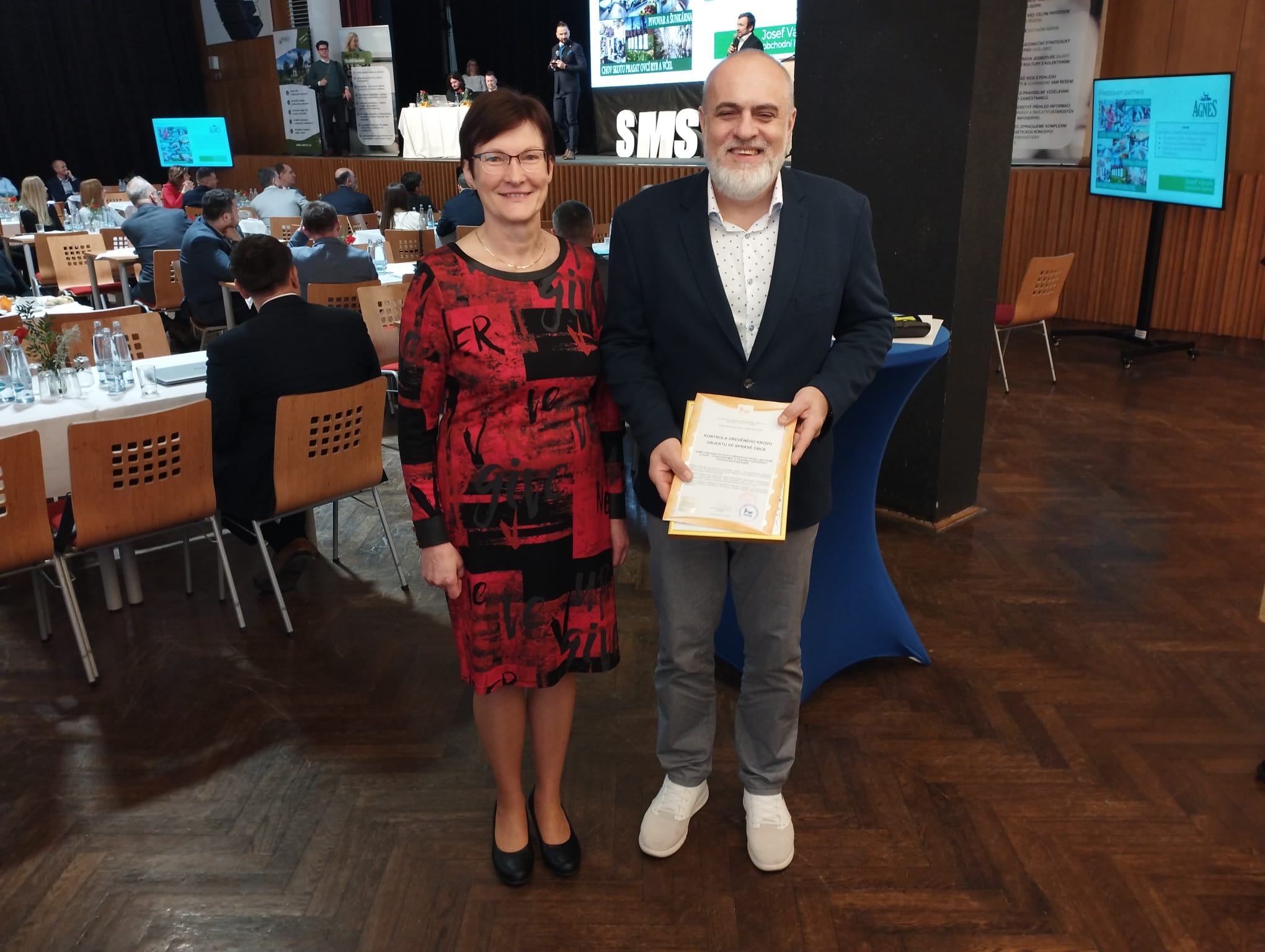
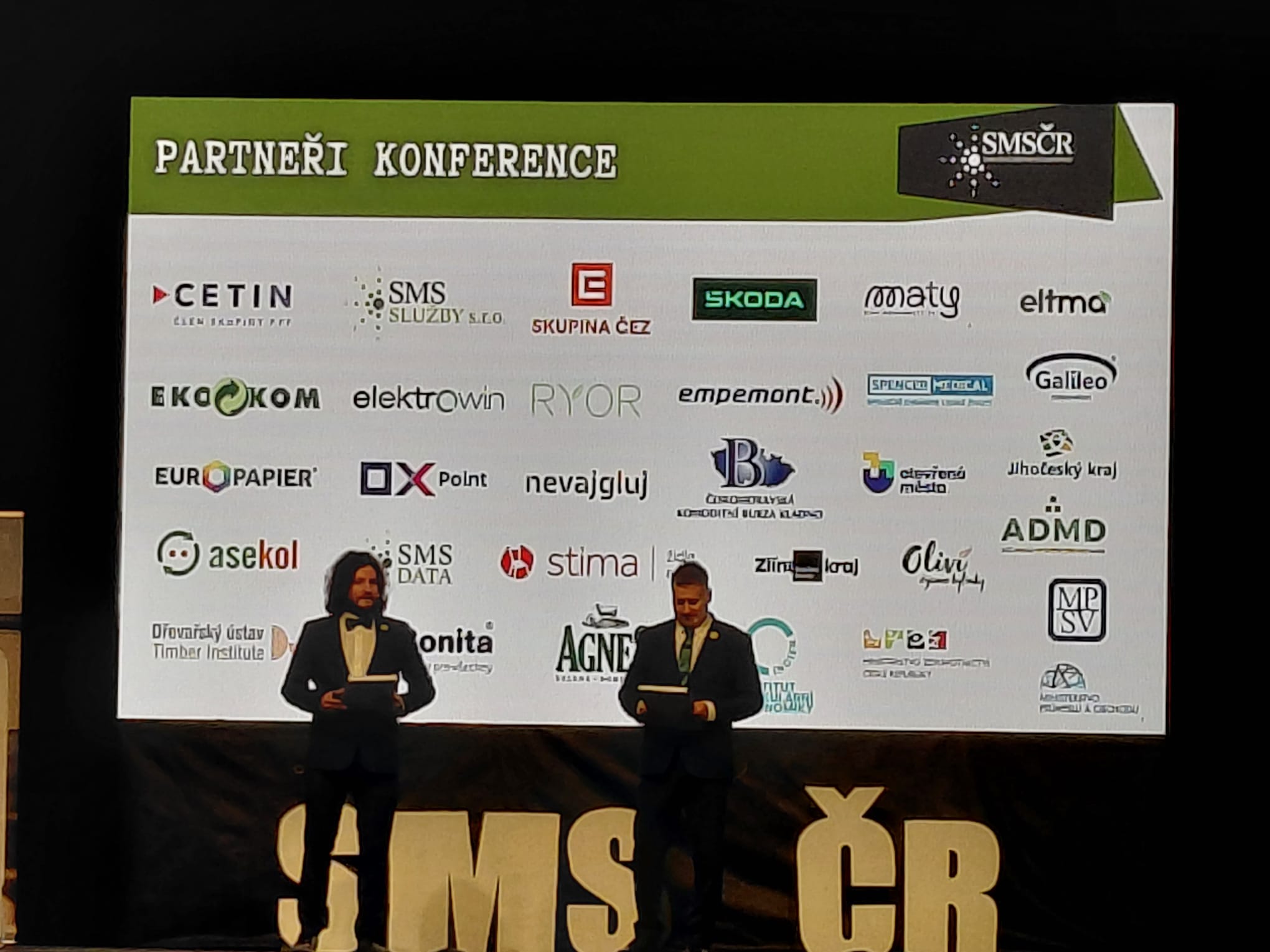
The Wood Industry Institute was a partner in the competition. Anna Součková, head of the analysis and assessment center, presented a special award for the inspection of the wooden roof truss of a building managed by the municipality.
The award was won by the municipality of Rokytnice in the Olomouc Region and was accepted by Mayor Kamil Malenda. The mayor commented on the award: “The municipality will use the award for the planned reconstruction of the school building, where the services of the Wood Industry Institute can be applied.”
Rokytnice was recognized for its unique natural measure:
Six periodic pools have been created in the municipality, cleverly utilizing historical drainage pipes from the 1950s. They capture surface water from the village green and create a dynamic habitat for amphibians, birds, and specific aquatic plants. The project increases the landscape’s resistance to drought and torrential rainfall, promotes ecological stability, and at the same time brings aesthetic and recreational value.
Conference topics: aging population, digitization, waste management, and new needs of municipalities
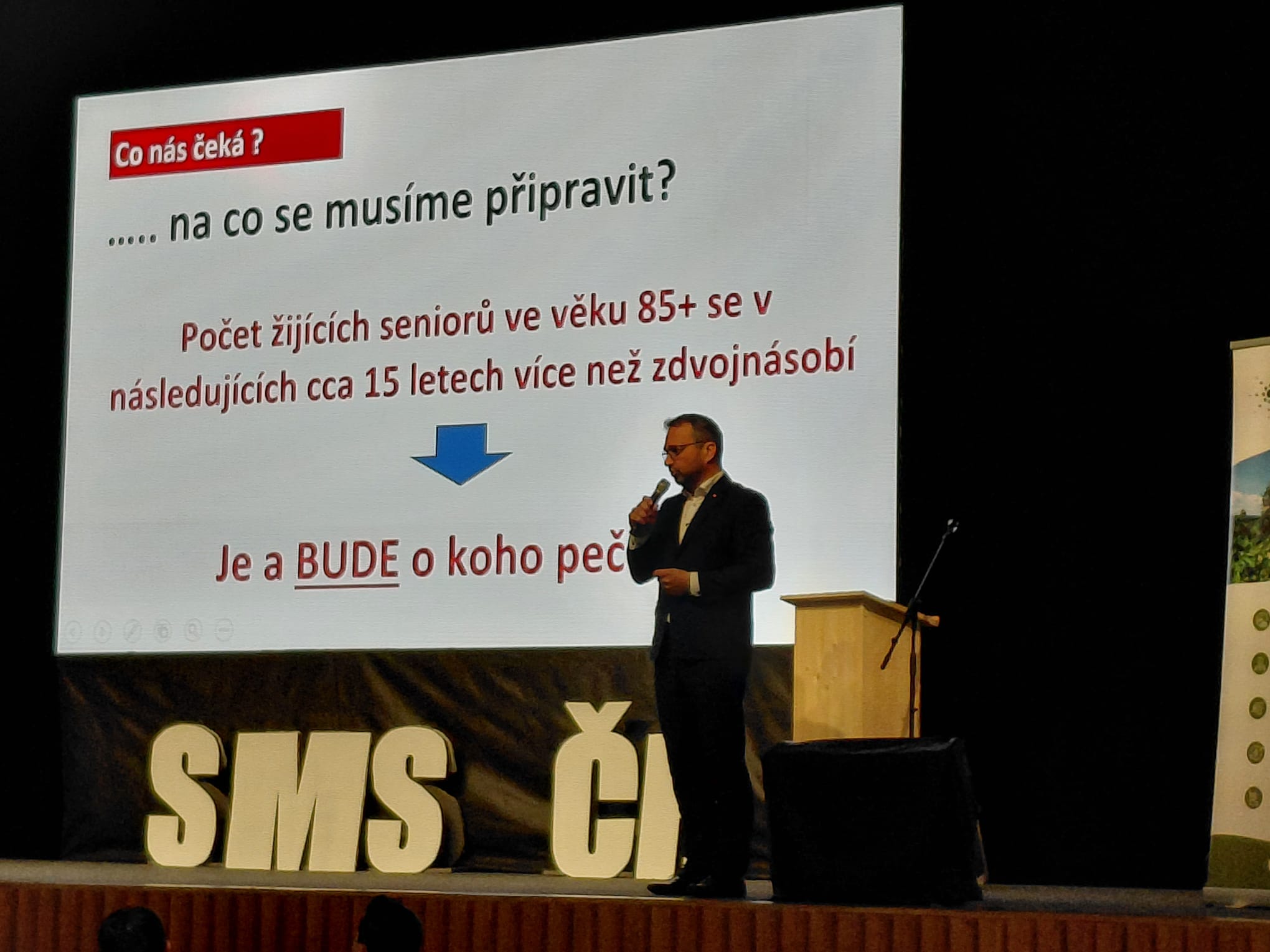
The expert conference focused on social issues and demographic changes. Marián Jurečka, Minister of Labor and Social Affairs in resignation, also gave a lecture. He pointed out that the Czech population is gradually aging and families will increasingly provide care for the elderly.
Municipalities will therefore need to expand retirement homes, nursing homes, and affordable housing.
Wooden buildings are a fast, affordable, and sustainable solution that can help local governments respond to new social needs.
Anna Součková (Wood Research Institute), Mayor of Rokytnice Kamil Malenda
For Arch Fair: Lecture on Structural Protection of Wooden Buildings
Are you planning to build or renovate a wooden building? At the For Arch trade fair, auditor and technician Luboš Drahňovský will give a lecture on why structural protection of wooden buildings is important, how it is ensured, and how it affects the use and value of a house.
The topic of structural protection of wooden buildings is also very well covered in the new handbook Structural Protection of Wood, published by technicians from the Timber Research Institute. You can download it for free here.
The basic principle is the correct design, placement, and execution of wooden elements with the aim of minimizing the risk of degradation caused by moisture, UV radiation, or biotic pests.
When: September 19, 12:30 p.m. – 1:00 p.m., as part of the ADMD lecture series
Topic: Structural protection of wooden buildings. A key principle for the long-term durability of houses.
Where: For Arch trade fair, PVA Letňany, Prague
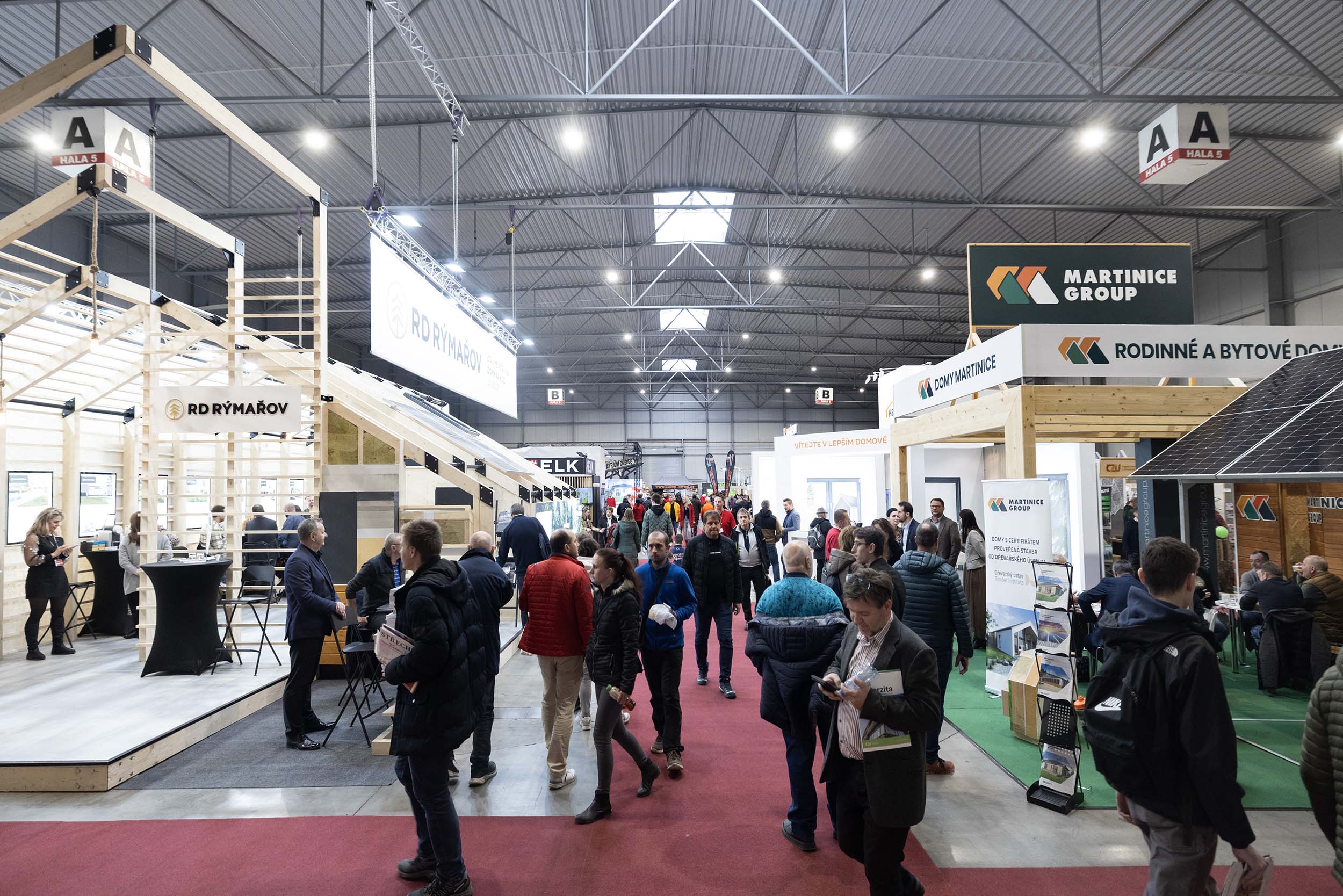
The 36th international construction fair For Arch will take place from September 16 to 20 at the PVA Letňany exhibition center in Prague. Companies from all areas of the construction industry will be presenting at the event, including construction financing and implementation, construction crafts and technologies, construction materials and products, construction machinery, building structures, construction equipment, and more.
You can download a free ticket to the fair here.

Czech Television: Technician from the Timber Institute and another inspection of the observation towers
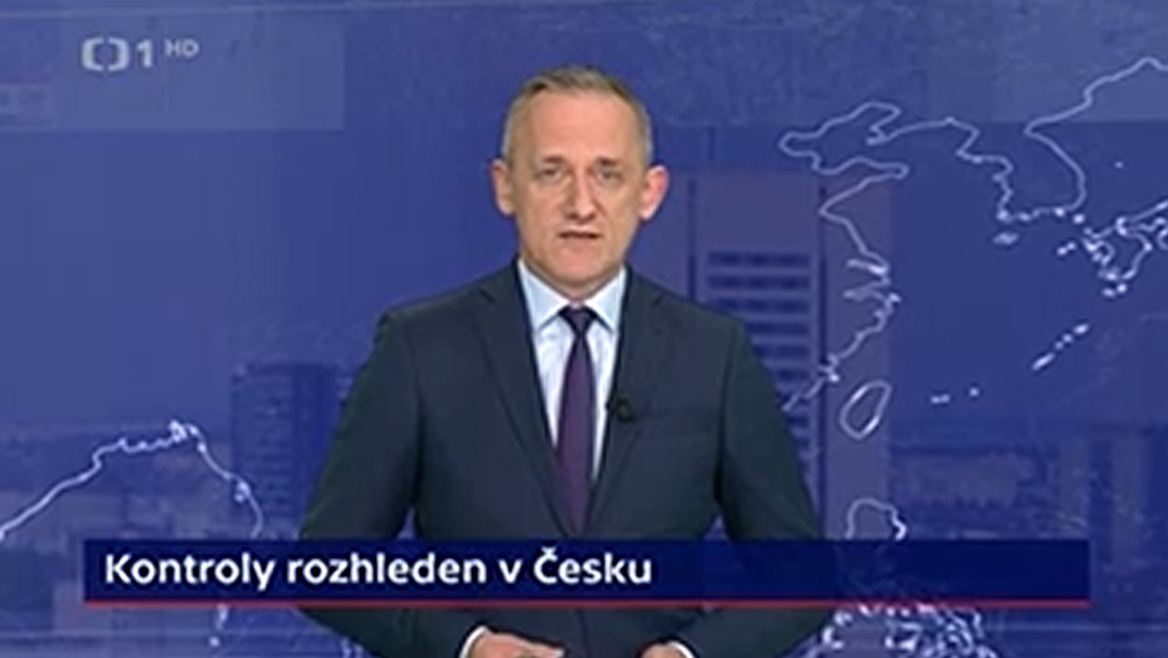
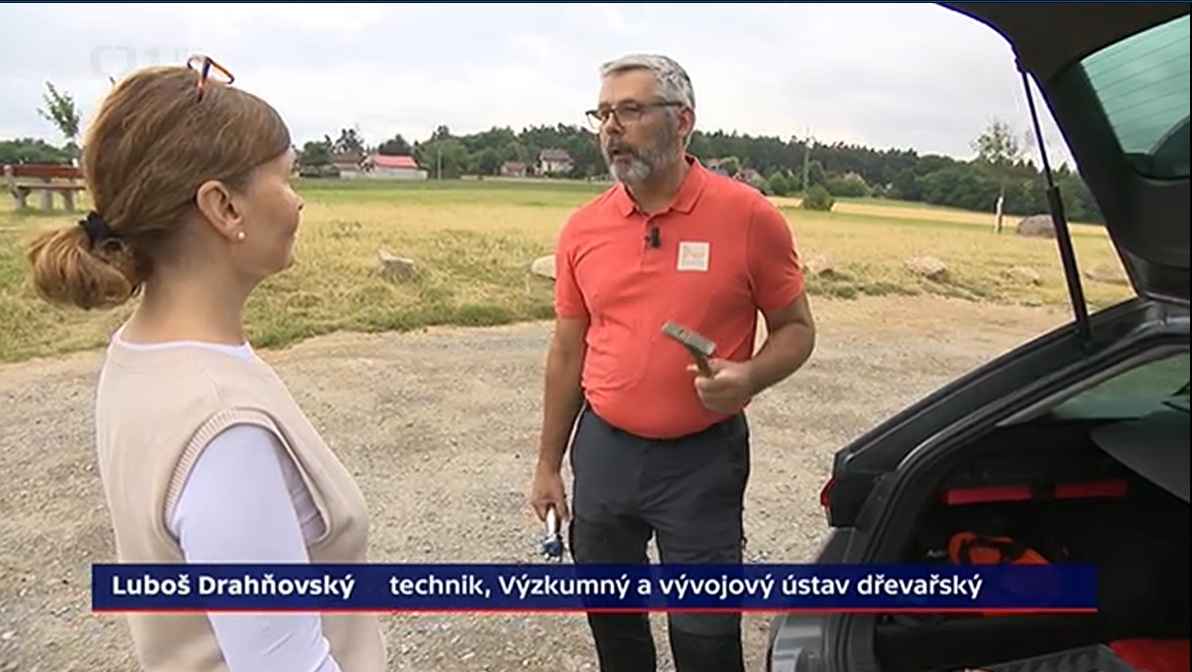
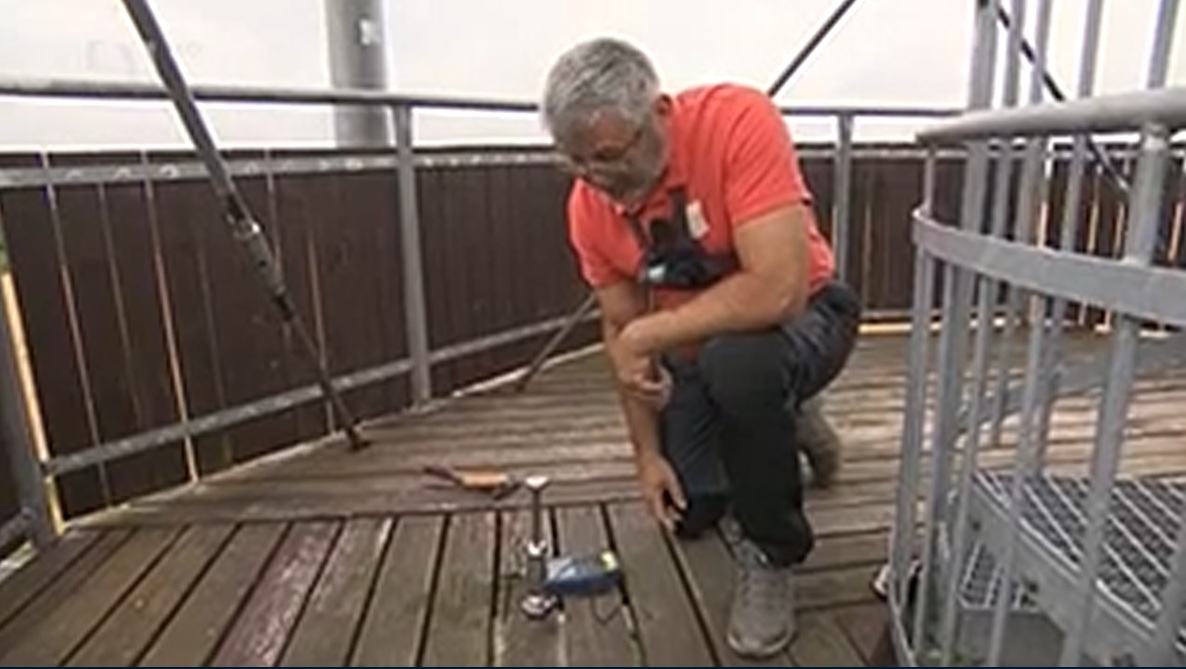
The importance of inspections and safety of wooden observation towers was again a topic in the main news program of Czech Television. Another television report in which our technician Luboš Drahňovský commented on the condition and method of inspections of wooden observation towers.
There are approximately 500 observation towers in the Czech Republic. According to our technicians’ estimates, about half of the buildings built before 2015 need reconstruction. Roughly half of the wooden observation towers were built for 2011.
L. Drahňovský has already inspected over 50 wooden observation towers. And the technicians of the Wood Institute provide this service to all administrators of these buildings so that they can properly assess the condition of the structures, safety, and possibly propose a method of maintenance, rehabilitation or reconstruction.
The collapse of the observation tower in the Děčín region was a warning to everyone. Two years ago, a wooden observation tower collapsed here. Several children were also injured in the accident. Criminal investigators proposed indicting six individuals and one association for public endangerment through negligence.
More information o kontrole dřevěných konstrukcí v exteriéru (rozhleden, mostů, lávek) najdete zde.
The Czech Television report was broadcast on August 2, 2025 (at 30:36). You can watch it here.
The Ministry of Industry and Trade confirmed the Wood Institute as a TAB
In March 2025, a regular mandatory inspection was carried out at the TAB department of the VVÚD (Timber Institute) (Subject for Technical Assessment at the Wood Institute) by the determining authority, which is the Ministry of Industry and Trade.The inspection determines whether the TAB meets all the conditions for designation and performance of activities under Regulation (EU) 305/2011.
The Wood Institute was designated as a TAB in December 2021. The inspection focuses primarily on the expertise of the staff, their experience and ongoing training, as well as on impartiality and independence of both customers and the certification body VVÚD. The documentation is also checked, including the instructions for processing the ETA and the procedure for processing the ETA for a specific order. With this confirmation, the Wood Institute continues to issue ETA (European Technical Assessment) documents for the assessment of construction products in the woodworking industry with sales on the European Union markets.The obligation of the TAB VVÚD is also participation in the creation of technical standards, which is ensured, for example, by membership in technical standardization committees, European technical documents and cooperation with other TABs. In the Czech Republic, especially with the TAB coordination office, which is TZÚS Praha, s.p.No deficiencies were found during the inspection and it was confirmed that TAB VVÚD can provide TAB activities for the area of wood and wood-based construction products for another 2 years.What does TAB certify? Everything you need to have a CE mark for. Check out the overview on this page.
Looking back at the meeting of European certification bodies for CARB/EPA
The 15th meeting of the CARB/EPA European Certification Body (CETPC) group took place in Borås, Sweden, on 8–9 May 2025. This platform brings together 14 certification bodies from across Europe that work in accordance with the American requirements of CARB and EPA – in particular to control formaldehyde emission limits in board materials.
In the Czech Republic, the only representative is the Dřevařský ústav.
The meeting was, as always, an opportunity to share experiences, unify certification procedures and discuss specific problems that certification bodies solve in practice.
The meeting also featured:
- Online participation by the American certification body CPA (TPC1), who shared their perspective and approach to certification in the USA.
- Workshop with model situations, e.g. changing the adhesive supplier or using multiple types of adhesives – with the aim of defining a uniform approach to assessing these cases.
- A contribution from IKEA, presented by Anna Kozyrkova. She presented the upcoming changes to the IOS-MAT internal standards, including an emphasis on:
- formaldehyde-free foils,
- use of recycled materials,
- a new approach to test reports (including attaching photos),
- and adapting the requirements to REACH legislation.
It is important to emphasize that CETPC is a voluntary platform – membership is not mandatory or legally binding. Nevertheless, it is of great importance for the quality, transparency and uniformity of certification in Europe. This is also because most European certification bodies certify manufacturers supplying IKEA.
Ludmila Kotenová from the Wood Institute comments on the situation: “Collaboration within the CETPC brings practical solutions, strengthens trust in European certification and creates space for smooth communication with global partners such as CARB, EPA or IKEA.”
New challenges in wood panel certification: SG 20 meeting and new CPR legislation
The 30th meeting of the SG 20 Sector Group of Notified Bodies under the CPR, which covers wood-based panels, flooring and cladding, took place on 7 May 2025. The purpose of this annual event is to coordinate the work of these bodies in the certification of wood-based products and in the development or revision of harmonised standards, so that their staff have all the necessary information and guidance. This year, the meeting also covered the adoption of the new Regulation 3110/2024 of the European Parliament and of the Council (new CPR).
The meeting was chaired by SG20 Chairman Harald Schwab. In his presentation, Mr Anders Elbek, Secretary General of the Advisory Group of Notified Bodies, focused on the key changes that the new CPR brings for Notified Bodies. The new requirements expand the obligations of Notified Bodies within the framework of conformity assessment systems, emphasize coordination of activities at European level and cooperation in the development and updating of harmonised technical standards.
Important information from the meeting includes:
- The New CPR is already in force, but the practical application of most provisions will only occur with the publication of the relevant new harmonised standards.
- The first significant standard for the activities of the Wood Institute will most likely be the standard for windows and doors (expected horizon 2–3 years).
- For wood products, new harmonised standards are expected in 3 years at the earliest. Until then, the old CPR will still apply.
- The transition to the new CPR will be gradual for product groups – with a target horizon of 2040.
The meetings are regularly attended by 12-15 representatives from a total of approximately 70 entities. Participation in these meetings is not only an obligation arising from the CPR regulation, but also fulfills the conditions of the Wood Institute’s authorization. It is also a key element in ensuring compliance with European legislation.
Ludmila Kotenová from the Wood Institute comments on the situation: “The new requirements for systems for assessing properties and verifying their constancy require increased caution, especially in a period when some entities may operate simultaneously under both the old and new CPR for wood panels, cladding and flooring.”
Information from the meetings is regularly forwarded to the Czech Coordination Office and discussed within the Coordination Office Commission twice a year.
We are entering a challenging period of transformation. Active participation in the creation and implementation of harmonised standards is the key to a smooth transition to the new CPR requirements.
Multi-story wooden buildings. Strategy with the Chamber of Commerce
The Czech Republic lacks a sustainable construction strategy in which multi-story wooden buildings would play a significant role in solving the housing crisis, ministers agreed with timber producers and foresters.
This is the headline of a press release issued after a February seminar on wooden buildings held at the Chamber of Deputies of the Czech Republic.
“Wooden buildings and wooden structural elements are one of the ways to strengthen the Czech wood sector. Moreover, a way that can contribute to solving the housing crisis. If we want to use the benefits of wood from our forests and prevent the main added value from its production from flowing abroad, we must look for ways to strengthen the use of wood in the country,” emphasized Zdeněk Zajíček, President of the Chamber of Commerce of the Czech Republic, at the seminar.
Director Beránková participates in the activities of the Woodworking Industry Section of the Chamber of Commerce of the Czech Republic, which was the co-organizer of this professional meeting at the highest level.
The goal of the wood sector is for new multi-storey wood-based apartment buildings in the Czech Republic to account for at least 20% of construction by 2035 and for the state sector to prioritize the construction of public buildings with a higher share of wood as part of the state’s decarbonization policy, according to speakers.
“It is not usual for such a large sector to unite and present clearly defined goals and a path to achieve them. As a legislator, I must reflect on such a broad platform of experts in the interest of supporting a newly emerging market segment so that wood-based construction can develop dynamically in the Czech Republic,” said Michal Kučera, chairman of the parliamentary agriculture committee.

The Ministry of Industry and Trade is preparing changes to support and develop multi-storey wooden buildings.
„Wood has significant business potential that we are not fully utilizing. The Czech Republic produces approximately 15 million cubic meters of wood annually, but a significant portion is exported abroad and returns to us in the form of final products with added value.We have finally decided to change this, and so we are now working intensively on the change – we want to ensure that the economic benefits and added value remain in the Czech Republic and that wood finds wider application, for example in the construction industry. Among the key measures we are preparing is the amendment of building standards and regulations, which will allow the construction of multi-storey wooden buildings, as is common to the north and west of us.Our goal is to expand the possibilities of the Czech construction industry, support innovation in the field, economic growth, contribute to a better environment, and increase the quality of life of residents.”I am glad that colleagues from other state organizations and the private sector have also joined the initiative, which we started at the beginning of the election period,” says Minister of Industry and Trade Lukáš Vlček, who was also involved in the greater use of wood in construction as a member of parliament.
Minister of Agriculture Marek Výborný emphasized the need to use Czech wood directly in the country.
“One of the ways to support the final processing of this sustainable raw material base in the Czech economy is the legislative changes being prepared. The first of these is the establishment of the Forestry and Timber Fund. Our priority continues to be to reduce the export of raw logs and to ensure that wood processing companies have sufficient quantities of wood of appropriate quality for processing and the creation of high added value, which will also have a positive effect on forest owners,” said Minister of Agriculture Marek Výborný.
In connection with dynamic technological development, the Minister also drew attention to the importance of awareness, education in wood processing fields, and investments in innovations in terms of processing deciduous trees, which will form a higher share of our forests in the future due to the adaptation of forests to changing growth conditions.
Complete press release:najdete na webu Hospodářské komory zde.
Confirmation of the Director of the Timber Research Institute
Ms. Jitka Beránková, Director, received confirmation of her appointment as Director of the Timber Research and Development Institute, Prague, s.p., from Mr. Petr Doškář, Chief Director of the Economic Section of the Ministry of Industry and Trade, and Mr. Lukáš Trska, Director of the Department of Management of Ministry Organizations.

The director comments on the situation: “I thank the Minister of Industry and Trade Lukáš Vlček for his trust. My main, personal goal is to build a modern laboratory, research and innovation center to support companies in the wood processing industry. Exactly in the spirit of the National Research and Innovation Strategy for Smart Specialization of the Czech Republic 2021 – 2027, which the Ministry of Industry and Trade of the Czech Republic leads our industry.”
In 2001, during the celebration of the 50th anniversary of the Wood Institute, the then director Bohumil Burda said:
“In the post-war years, it was no longer enough to pass on knowledge of wood processing from father to son. Soon after its establishment, the Wood Institute became one of the main pillars of wood research in the Czech Republic and its activities influenced most woodworking companies.”
And the director adds: “Our specialists have knowledge at the European level, they know the answers to the technical and professional questions of the industry, they only need adequate conditions for their practical use.”
More about the wood segment on the website of the Ministry of Industry and Trade.